Backflow Testing Requirements in Ontario Explained (2026 Guide for Property Owners)
7 Dec 2025
Schedule Backflow Prevention Checkup
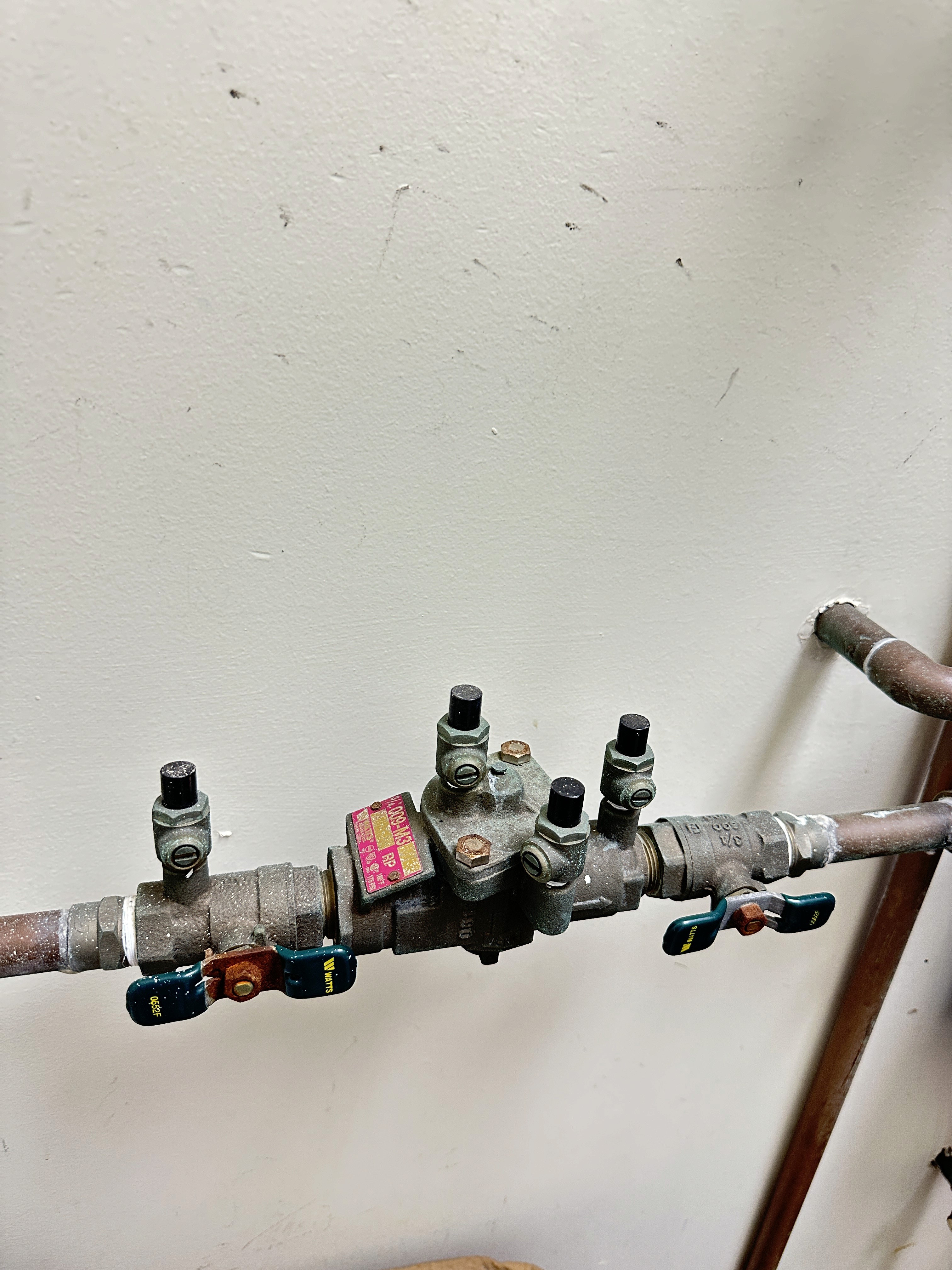
Backflow Testing Requirements in Ontario Explained
If you own or manage a commercial, industrial, institutional, or multi-unit residential property in Ontario, backflow compliance is not “nice to have.” In many municipalities, it is enforced through cross connection control programs, surveys, mandatory device installation, and ongoing testing cycles.
This guide explains how backflow prevention programs work in Ontario, what “annual backflow testing” usually means in practice, how timelines differ by municipality, and what to do if you receive a notice.
If you need certified backflow testing, installation, or repair, start here:
Backflow Prevention Services
What Ontario Actually Requires (The Truth)
Ontario does not run one single province-wide backflow enforcement program for every building owner. Instead, most requirements are driven at the municipal or regional level through local cross connection control and backflow prevention programs. Ontario has published guidance to help drinking water system owners implement consistent backflow prevention programs, but enforcement typically happens locally through your water provider or municipality.
So when people ask “Is backflow testing required in Ontario?” the correct answer is:
Many Ontario municipalities and regions require it for certain building types and hazard classifications.
Your obligation depends on where the property is located, what the building is used for, and how your plumbing system connects to the potable supply.
What Is Backflow Testing (And Why It Exists)
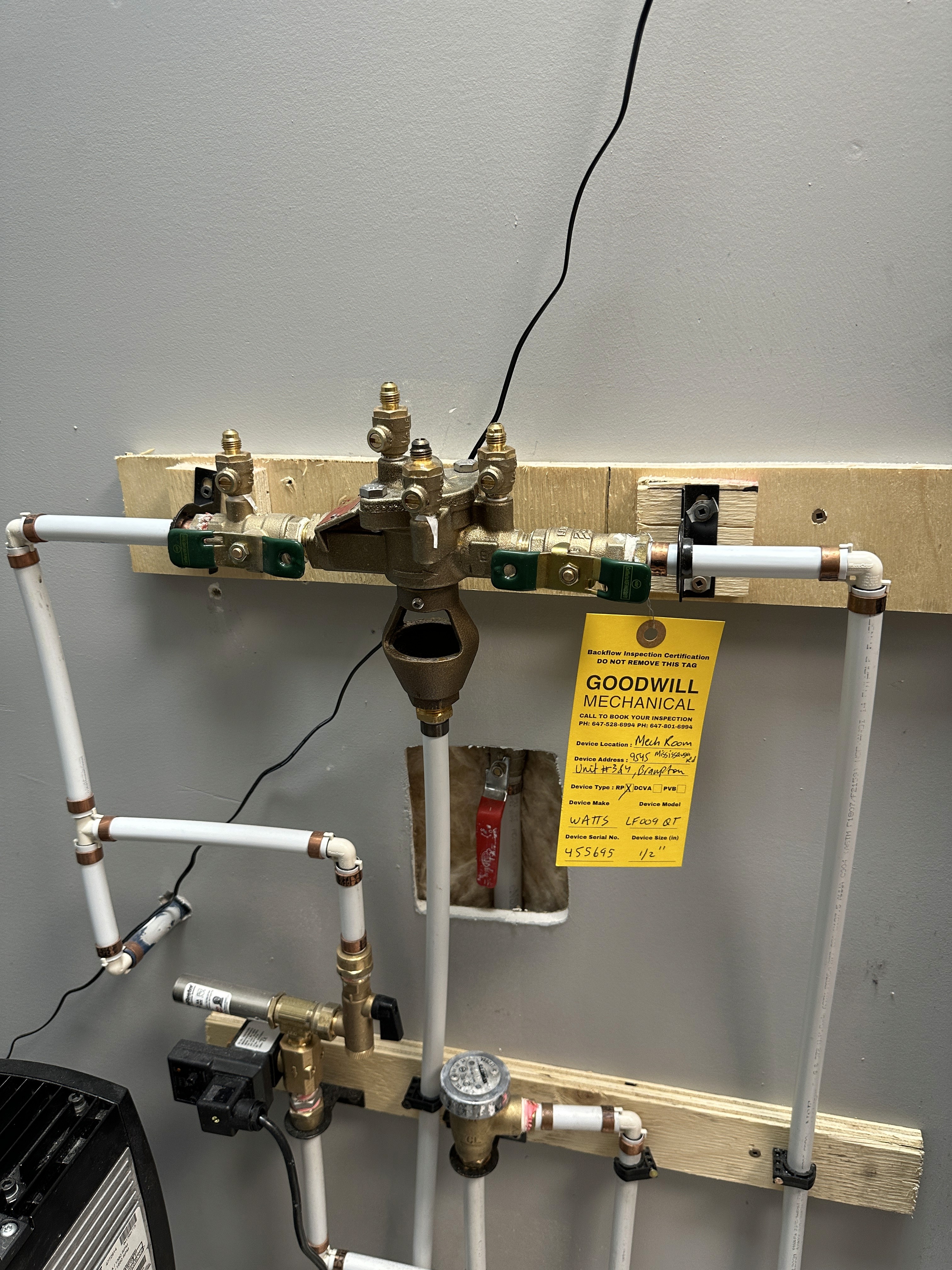
Backflow testing verifies that a testable backflow prevention device is functioning correctly and protecting the potable water supply.
Backflow events can happen when:
Pressure drops in the municipal main (backsiphonage)
A property creates higher pressure than the municipal supply (backpressure)
Cross connections exist between potable and non-potable systems
That is why municipalities build cross connection control programs: to prevent contaminants from entering the drinking water distribution system.
Who Typically Needs Backflow Testing in Ontario
Most enforced programs focus on:
Industrial facilities
Commercial buildings
Institutional buildings
Part 3 residential buildings (large multi-unit residential as defined by the Ontario Building Code in some municipalities, depending on the program)
Construction sites (commonly included in municipal programs)
High-risk property types often include:
Restaurants and commercial kitchens
Dental and medical clinics
Warehouses and distribution centers
Manufacturing and processing facilities
Multi-tenant plazas
Condominiums and multi-unit buildings (program-dependent)
Facilities with irrigation, boilers, chemical systems, or process water
How Cross Connection Control Programs Work (Step by Step)
Most municipal programs follow this pattern:
Notice or enrollment
You receive a notice requiring a cross connection survey and/or backflow compliance.Cross connection survey
A qualified professional identifies cross connections and assigns hazard classifications.Device selection and installation
The correct device type is installed based on hazard level and CSA-based principles referenced by the municipality.Testing and documentation
A licensed or authorized tester performs a test and completes required forms.Ongoing testing cycle
Many sites move into a recurring testing schedule (often annual, sometimes more frequent depending on device and risk).
Peel Region (Mississauga, Brampton, Caledon) Requirements You Should Know
If your property is in Peel Region, backflow prevention is enforced through Region of Peel By-law 10-2017.
Peel commonly issues notices requiring a Cross Connection Survey. Their program page also notes that once a survey is completed, backflow prevention devices must still be installed within one year.
If you operate in Peel, assume you may need:
A cross connection survey if you receive notice
Installation of testable backflow prevention devices as required
Ongoing device testing and documentation
Service links:
Halton Region (Milton) Requirements You Should Know
Halton Region operates its Cross Connection Control Program and sets specific administrative requirements that matter for compliance.
Two critical details Halton states:
Survey and test reports must be submitted within 28 days of completion.
If a contractor installs a backflow prevention device, a copy of a signed plumbing permit from the local municipality must be included with the test report.
Service link:
Does Backflow Testing Have to Be Annual
In many municipal programs, testable devices are required to be tested on a recurring schedule, and annual testing is the most common cycle for commercial and industrial properties.
Your actual frequency depends on:
Municipal program requirements
Device type (RPZ, DCVA, fire line assemblies)
Hazard classification of the site
Building type and water use
Bottom line: if your municipality has you in a program, treat the testing schedule as mandatory and track it like a compliance deadline.
Which Devices Are Common in Ontario Programs
Most Ontario programs revolve around “testable” devices that can be certified through field testing.
Common device types:
RPZ (Reduced Pressure Zone) assemblies for higher hazard applications
Double Check Valve Assemblies (DCVA) for moderate hazard applications
Fire line backflow preventers (often required for fire protection connections)
Pressure vacuum breakers for specific application-dependent scenarios
If you are unsure what device you have, a tester can identify it during site assessment and confirm the correct testing procedure.
What Happens If You Ignore a Notice or Miss Testing Deadlines
This is where owners get hurt.
Typical consequences include:
Compliance notices and escalation letters
Delays in approvals for renovations, tenant occupancy, or inspections
Increased liability exposure if an incident occurs
Potential enforcement actions depending on the municipality and situation
If you have a notice, the fastest path is simple:
Book the survey or testing
Fix failures quickly
Submit documentation properly
What If Your Device Fails a Backflow Test
Failure is common. It does not mean you are “in trouble” if you respond quickly.
Most failed tests are caused by:
Debris buildup
Worn check valve components
Relief valve discharge issues on RPZ devices
Corrosion or freeze damage
Improper installation or sizing
The proper sequence is:
Repair or rebuild
Re-test
Submit updated certification documentation
If you need fast resolution:
Backflow Prevention Services
Cost of Backflow Testing in Ontario (What Drives Price)
Backflow testing cost is not one flat number. It depends on:
Device type and size
Accessibility and location
Number of devices on site
Whether repairs or rebuilds are required
Reporting requirements and documentation complexity
If you manage multiple properties, bundling tests into a scheduled route can reduce per-site overhead and prevent missed deadlines.
Compliance Checklist (Save This)
Use this checklist to stay out of trouble:
Confirm whether your municipality or region has a cross connection control program that applies to your building
Track survey deadlines if you receive notice
Install the correct testable device based on hazard classification
Schedule testing before the deadline, not after
Keep test reports organized by device and address
Submit documentation properly (especially where program rules specify timelines)
If a device fails, repair and re-test immediately
How Goodwill Mechanical Helps You Stay Compliant
Goodwill Mechanical Inc. supports property owners and managers with:
Certified backflow testing and documentation
Backflow preventer installation and replacement
Backflow repair and re-testing after failure
Scheduling systems for multi-site annual testing programs
Practical guidance for program requirements in Peel and Halton regions
Start here:
Book Certified Backflow Testing
If you have a notice, a deadline, or you simply want to get ahead of compliance, book now.
Call Goodwill Mechanical Inc. or submit a service request to schedule:
Backflow testing
Device installation
Repair and re-testing
Schedule Backflow Testing