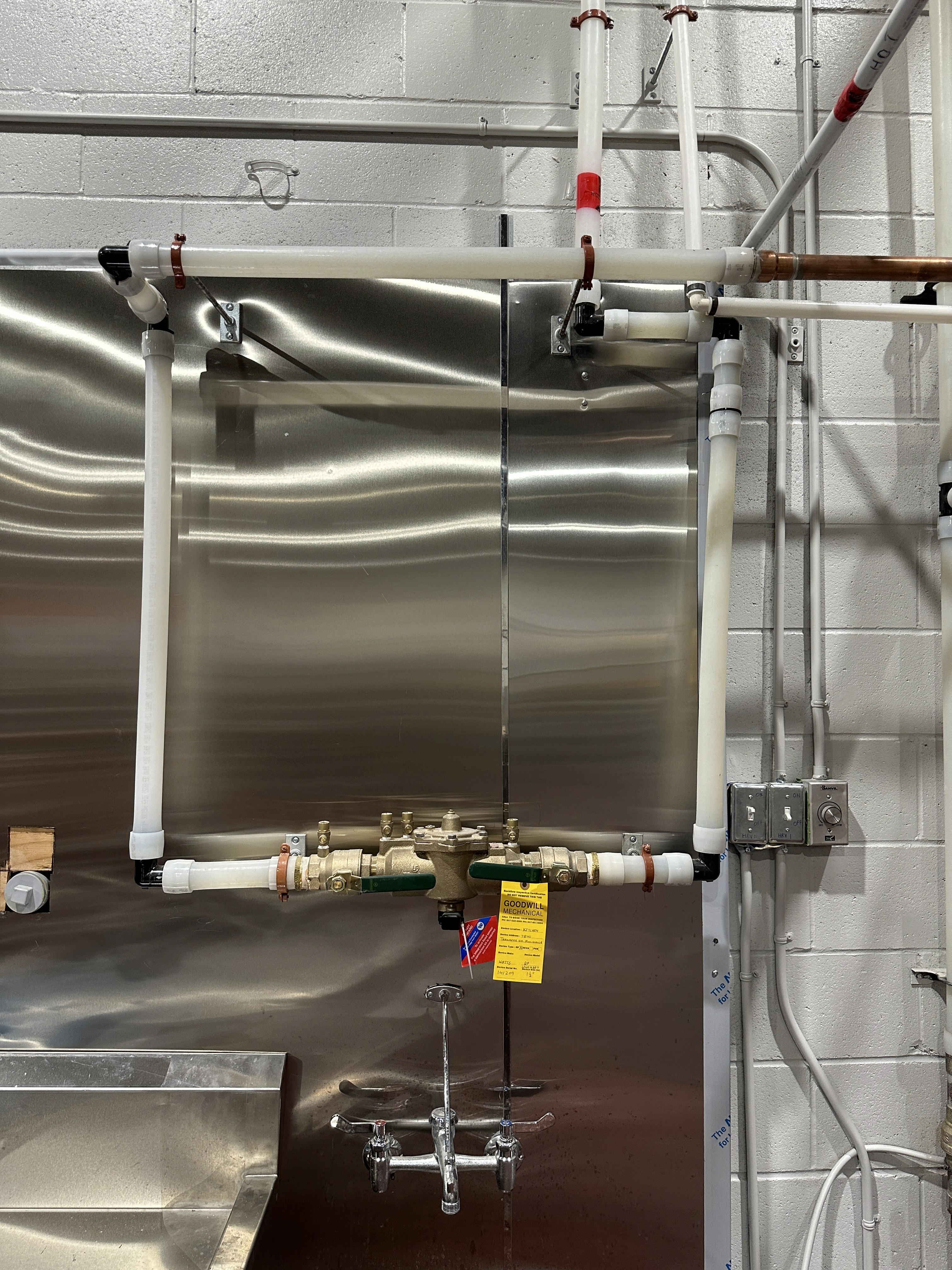
What Happens If You Fail a Backflow Test in Ontario?
If you have received a failed backflow test report, you are not alone.
Backflow devices fail regularly across Ontario due to wear, debris buildup, pressure issues, and aging internal components. A failed test does not automatically mean you are in trouble. It means action is required.
What matters is how quickly you respond.
If you ignore it, you risk compliance notices, escalation letters, and potential enforcement depending on your municipality.
If you address it immediately, the process is straightforward.
If you need immediate assistance, start with Backflow Prevention Services.
What a Failed Backflow Test Actually Means
A failed backflow test means your backflow prevention device did not maintain the required pressure differential or valve integrity during inspection.
Certified testers evaluate:
Check valve sealing
Pressure differential readings
Relief valve discharge on RPZ assemblies
Internal component performance
If one or more of these measurements falls outside acceptable standards, the device fails and must be repaired or replaced.
Common device types that fail include:
RPZ valves
Double check valve assemblies
DCVA devices
Fire line backflow preventers
Why Backflow Devices Fail
Most failures are mechanical and expected over time.
Common causes include:
Debris lodged inside check valves
Spring fatigue
Relief valve discharge issues
Corrosion
Freeze damage
Worn rubber components
Improper original installatio
Commercial properties such as restaurants, manufacturing facilities, and medical clinics experience higher internal wear due to heavy water demand.
If your property is located in Peel Region, failed devices must be corrected to remain compliant under regional enforcement programs.
If your property is located in Halton Region, documentation timelines are strict and test reports must be submitted within required windows.
If you operate locally, see:
What Happens Immediately After a Failure
The correct process looks like this:
The technician documents the failed results
You are informed of the repair scope
Repair or rebuild is scheduled
The device is re-tested
Updated certification is issued
Failure does not automatically mean full device replacement. Many assemblies can be rebuilt using approved internal repair kits.
However, if the device body is damaged, severely corroded, or improperly sized, full replacement may be required.
How Fast Do You Need to Fix It?
Immediately.
Municipal programs expect failed devices to be corrected quickly. Delays can result in:
Compliance notices
Escalation letters
Occupancy or inspection delays
Increased liability exposure
For commercial and industrial facilities, ignoring a failed backflow test can impact insurance exposure and tenant relationships.
If your device has failed, schedule repair right away through Backflow Prevention Services.
Repair vs Replacement: How to Decide
Most failures are resolved through:
Internal rebuilds
Check valve replacement
Relief valve repair
Cleaning debris and restoring pressure balance
Full replacement is usually required when:
The device body is cracked
Severe corrosion is present
Freeze damage compromised structural integrity
The device is obsolete or improperly installed
An experienced certified backflow technician can determine the correct solution on-site.
Cost of Backflow Repair After Failure
Backflow repair cost depends on:
Device type
Device size
Severity of internal wear
Accessibility
Required replacement components
In most cases, internal rebuild is significantly more cost-effective than full replacement.
Delaying repair can increase cost if internal damage worsens.
What If You Ignore a Failed Backflow Test?
This is where serious problems begin.
Possible consequences include:
Written compliance notices
Escalation letters
Fines depending on jurisdiction
Service restriction in extreme cases
Liability exposure if contamination occurs
Once a device is flagged as failed, you are responsible for restoring compliance.
Do not ignore a failed report.
How to Prevent Future Backflow Test Failures
While backflow devices are mechanical and will eventually require service, you can reduce unexpected failures by:
Protecting devices from freezing
Monitoring RPZ relief valve discharge
Scheduling testing proactively before deadlines
Addressing pressure irregularities early
Maintaining accessible and clean mechanical rooms
Property managers overseeing multiple sites should implement structured annual testing schedules instead of reacting to notices.
For long-term compliance planning, visit Backflow Prevention Services.
High-Risk Properties That See More Failures
Certain property types experience more frequent device failures:
Restaurants with grease interceptors
Food processing facilities
Manufacturing plants
Multi-tenant commercial plazas
Buildings with irrigation systems
Medical and dental clinics
If your property operates under high water demand, preventative maintenance significantly reduces emergency compliance issues.
For commercial property support, see Commercial Plumbing Services.
For industrial facilities, see Industrial Plumbing Services.
The Smart Way to Handle a Failed Backflow Test
Do not panic
Do not delay
Schedule repair immediately
Re-test
Submit documentation
Fast action keeps you compliant and prevents escalation.
Schedule Backflow Repair and Re-Testing
If your backflow device failed testing in Brampton, Mississauga, or Milton, Goodwill Mechanical Inc. can:
Diagnose failure
Repair or rebuild
Replace when necessary
Re-test and certify
Support documentation submission
Contact us through Backflow Prevention Services and restore compliance quickly.