Stop Frozen & Burst Pipes This Winter: Essential GTA Homeowner Guide for Extreme Cold Weather Protection
5 Jan 2026
Schedule Backflow Prevention Checkup
Stop Frozen & Burst Pipes This Winter: Essential GTA Homeowner Guide for Extreme Cold Weather Protection
How GTA Homeowners Can Protect Their Plumbing System in Extreme Winters
Every winter, homeowners across the Greater Toronto Area (GTA) face an unavoidable challenge: temperatures dropping low enough to freeze and burst household pipes. Whether you live in Brampton, Mississauga, Oakville, Milton, Caledon, Markham, Waterloo, or Guelph, the bitter cold can put your plumbing system at serious risk.
Why This Guide Matters During Harsh Ontario Weather
Ontario winters are becoming more unpredictable each year, with sudden temperature drops, severe wind chills, and prolonged deep freezes. This combination creates the perfect conditions for ice buildup in plumbing lines—leading to catastrophic pipe bursts that can flood your basement, damage your drywall, ruin flooring, and cause thousands in repairs. This guide gives you everything you need to protect your home.
Why Pipes Freeze in the GTA: Understanding Local Climate Factors
Rapid Temperature Drops Across the GTA
Cities like Brampton, Oakville, and Mississauga are experiencing record-breaking temperature swings. A warm morning followed by a –25°C night can freeze pipes in just hours.
Cold Wind Exposure & Poor Insulation
Wind can penetrate cracks around the home and chill plumbing lines, especially those near exterior walls.
How Ice Expansion Causes Bursts
As water freezes, it expands with incredible force. This pressure cracks Copper, PEX, PVC — all of them. When ice melts, water gushes out.
Identifying Pipe Freeze Risk Zones in GTA Homes
Exterior Wall Plumbing
These pipes face constant outdoor cold exposure.
Unheated Basements, Crawl Spaces & Garages
Common in older homes and townhouses across the GTA.
Attics, Sunrooms & Add-On Rooms
These areas rarely have proper ducting and insulation.
Older Neighborhoods
Homes in Guelph, Waterloo, Brampton, and Caledon built before the 1990s are at higher risk.
Early Warning Signs Before Pipes Freeze or Burst
Low water pressure
No water flow from taps
Visible frost on pipes
Strange sewer odours
Banging or gurgling noises
If you see any of these, take action immediately.
Step-by-Step Prevention Guide for Homeowners
Preventing frozen and burst pipes isn’t complicated, but it does require a combination of awareness, preparation, and proactive winterization. Below is a comprehensive, homeowner-friendly guide designed specifically for GTA cities like Brampton, Mississauga, Oakville, Milton, Caledon, Markham, Waterloo, and Guelph, where rapid temperature swings put plumbing systems at high risk.
Maintain a Safe and Consistent Indoor Temperature
Your indoor temperature is your home’s first line of defense against freezing pipes. Even if you're going away for a weekend, never let the thermostat drop below 18°C (65°F).
Heat should circulate evenly throughout the home
Keep basement doors open to allow warm airflow
Avoid turning the heat down at night during extreme cold snaps
Sudden drops in indoor temperature—even for a few hours—can freeze pipes hidden in walls.
Insulate All Vulnerable Plumbing Lines Properly
Pipe insulation is one of the most cost-effective ways to prevent freezing. Homeowners in older GTA neighborhoods benefit the most from this upgrade.
Recommended materials include:
Foam pipe sleeves
Fiberglass wrap
Rubber insulation
Heat cable wrap (for extreme conditions)
Focus especially on:
Basement ceiling plumbing
Garage pipes
Crawl space plumbing
Pipes on exterior walls
These areas consistently experience the coldest temperatures in winter.
Seal Cold Air Entry Points Around Your Home
Cold air infiltration is one of the largest contributors to frozen pipes.
Inspect:
Window frames
Door frames
Cable/utility access holes
Dryer vent openings
Garage door seals
Use:
Weatherstripping
Spray foam
Silicone caulking
Even a small draft can significantly lower temperatures around plumbing lines.
Keep Faucets Dripping During Extreme Cold Alerts
During extremely cold weather advisories issued across Brampton, Mississauga, Oakville, and Waterloo, let your faucets drip slightly.
Why it works:
Moving water freezes slower
It relieves pressure inside pipes
It helps prevent complete blockages
A slow drip can save you thousands in emergency repair costs.
Open Cabinets to Improve Warm Air Circulation
Bathroom and kitchen sinks positioned along exterior walls are the most vulnerable.
Open the cabinet doors during extreme cold so warm air can reach the pipes.
This is especially important in older homes where insulation is limited.
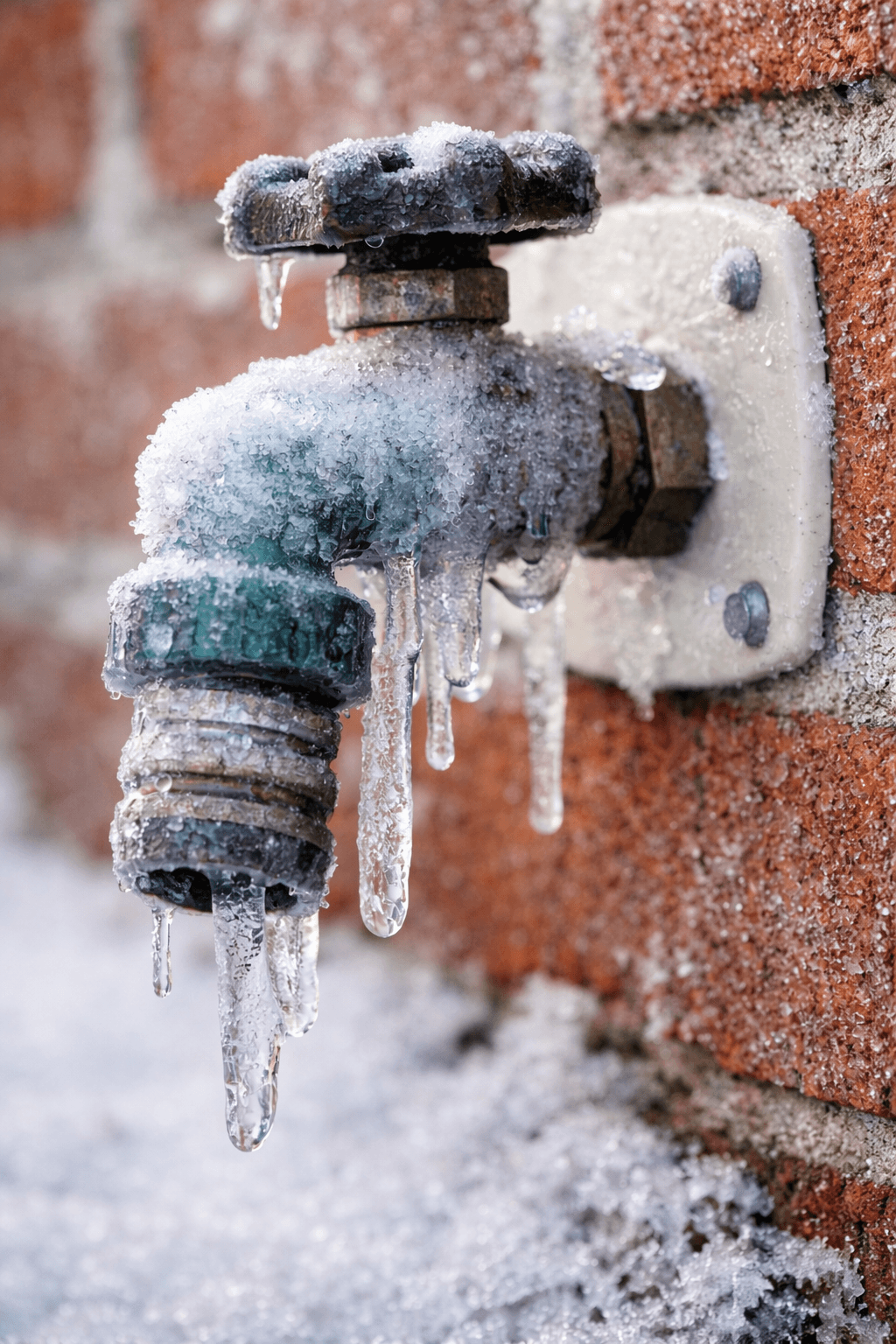
Disconnect Outdoor Hoses & Shut Exterior Valves
Every winter, thousands of GTA homeowners experience burst pipes because of outdoor hose connections.
Here’s what to do:
Disconnect all hoses
Drain hose bibs
Use insulated faucet covers
Shut interior valves leading to outdoor taps
Failure to winterize outdoor faucets is one of the top causes of pipe bursts.
Winterize Your Entire Plumbing System Before the Deep Freeze
Consider a full winterization appointment with a licensed plumber—especially if:
You own an older home
You have additions or renovations
You suspect insulation issues
You travel during the winter months
Goodwill Mechanical Inc offers pre-winter inspections to identify vulnerabilities before temperatures plunge.
Advanced Protection Measures for GTA Winters
In extremely cold winters—like the ones often seen in Caledon, Guelph, and Waterloo—basic prevention may not be enough. Here are advanced measures that significantly increase protection.
Installing Heat Cables on High-Risk Pipes
Heat cables are temperature-sensitive devices that automatically turn on when pipes become dangerously cold.
They are ideal for:
Crawlspace pipes
Garage plumbing
Attic plumbing
Exterior wall lines
Professional installation is recommended for safety and reliability.
Using Smart Thermostats for Temperature Monitoring
A smart thermostat is a powerful tool in winter:
Automatically maintains minimum safe temperatures
Sends alerts if temperatures drop too low
Saves homeowners money by optimizing heating schedules
This is especially valuable for snowbirds and frequent travelers.
Insulating Basements and Unheated Spaces
Because heat rises, basements often become cold zones.
Adding insulation to:
Basement walls
Rim joists
Crawlspaces
…can dramatically increase plumbing protection.
What To Do If Your Pipes Freeze
If you suspect a frozen pipe, take action immediately to prevent bursting.
Safe, Controlled DIY Methods
You can gently thaw pipes using:
A hair dryer
Warm (not boiling) towels
A portable space heater placed safely nearby
A heating pad wrapped around the pipe
Always start thawing closest to the faucet, then work backward.
Dangerous Methods You Should Never Attempt
❌ Never use a blowtorch
❌ Never use propane heaters
❌ Never use open flames of any kind
❌ Never leave space heaters unattended
These methods can cause fires, explosions, or pipe ruptures.
When You Must Call a Professional Immediately
Call a licensed plumber if:
You cannot locate the frozen section
There is visible cracking
No water flows at all
You notice leaks or water pooling
The pipe is inside a wall or ceiling
GTA homeowners rely on Goodwill Mechanical Inc for these emergencies.
What To Do If Your Pipe Bursts: Emergency Action Plan
A burst pipe is overwhelming, but fast action can dramatically reduce damage.
1. Shut Off Your Main Water Valve Immediately
Your main shutoff valve is usually located:
Near the front foundation wall
In the basement
Beside the water meter
Turn it clockwise until it stops.
2. Protect Electrical Systems
If water has reached electrical outlets or appliances:
Shut off electrical circuits to the affected area
Do not enter flooded rooms with live electricity
Keep family members out of the area
3. Minimize Water Damage While Waiting for Help
Move furniture away from flooded areas
Use towels or buckets to contain water
Place fans to redirect moisture (only if safe)
How Goodwill Mechanical Inc Helps Homeowners Across the GTA
Goodwill Mechanical Inc is a trusted, local expert in plumbing repair and winterization services for the GTA.
24/7 Emergency Plumbing Service in All GTA Cities
Serving:
Brampton
Mississauga
Oakville
Milton
Caledon
Markham
Guelph
Waterloo
Frozen or burst pipes can happen at any hour — their licensed team responds immediately.
Expert Frozen Pipe Thawing & Burst Pipe Replacement
Goodwill Mechanical uses professional-grade thawing equipment to safely restore water flow without damaging pipes.
If a pipe has burst, they perform:
Sectional pipe replacements
Copper, PEX, or PVC repair
Long-term leak-proofing
Full Winterization Services to Prevent Future Freezes
Homeowners can book:
Pre-winter inspections
Pipe insulation upgrades
Heat cable installations
Exterior faucet winterization
These services drastically reduce the likelihood of future pipe problems.
Why Homeowners Trust Goodwill Mechanical Inc
Fully licensed & insured
Locally based with fast response times
Transparent pricing
Excellent customer reviews
Proven experience in extreme winter pipe emergencies
Learn more or book service:
👉 https://goodwillmechanical.ca
Cost Breakdown: Frozen Pipe Repair in the GTA
The cost to repair frozen or burst pipes varies depending on several factors.
Labour, Parts & Emergency Service Charges
Typical cost factors include:
Location of the damaged pipe
Type of pipe (Copper, PEX, PVC)
Level of difficulty accessing the area
Emergency vs. scheduled appointment
Factors That Increase Repair Costs
Flooding or water damage
Damage inside walls or ceilings
Mold removal requirements
Code upgrades in older homes
Insurance Claims for Burst Pipes
Most insurance providers cover water damage caused by sudden pipe bursts.
Document everything with photos and keep receipts for repair work.
City-Specific Winter Tips for GTA Homeowners
Brampton & Mississauga
These cities experience rapid freeze-thaw cycles.
➡️ Insulate basement pipes and garage plumbing.
Oakville & Milton
Higher wind exposure increases freeze risk.
➡️ Seal drafts and insulate rim joists.
Waterloo & Guelph
Older homes + older insulation = more pipe issues.
➡️ Upgrade insulation and install heat cables.
Markham & Caledon
Rural homes see colder temperatures.
➡️ Keep steady indoor heating at all times.
FAQs
1. How long does it take for pipes to freeze in extreme cold?
In GTA conditions, pipes can freeze in 4–6 hours.
2. Should I drip faucets during cold nights?
Yes, running water reduces freeze risk dramatically.
3. Who should I call for emergency pipe repair in the GTA?
Goodwill Mechanical Inc provides 24/7 emergency service.
4. Are older Ontario homes more vulnerable?
Yes, due to aging insulation and exposed plumbing.
5. What temperature should I keep my house at?
Never below 18°C (65°F).
6. Do heat cables really work?
Absolutely, they are one of the best tools for preventing frozen pipes.