Waterloo Backflow Prevention: Complete 2025 Guide for Homeowners & Businesses
7 Dec 2025
Schedule Backflow Prevention Checkup
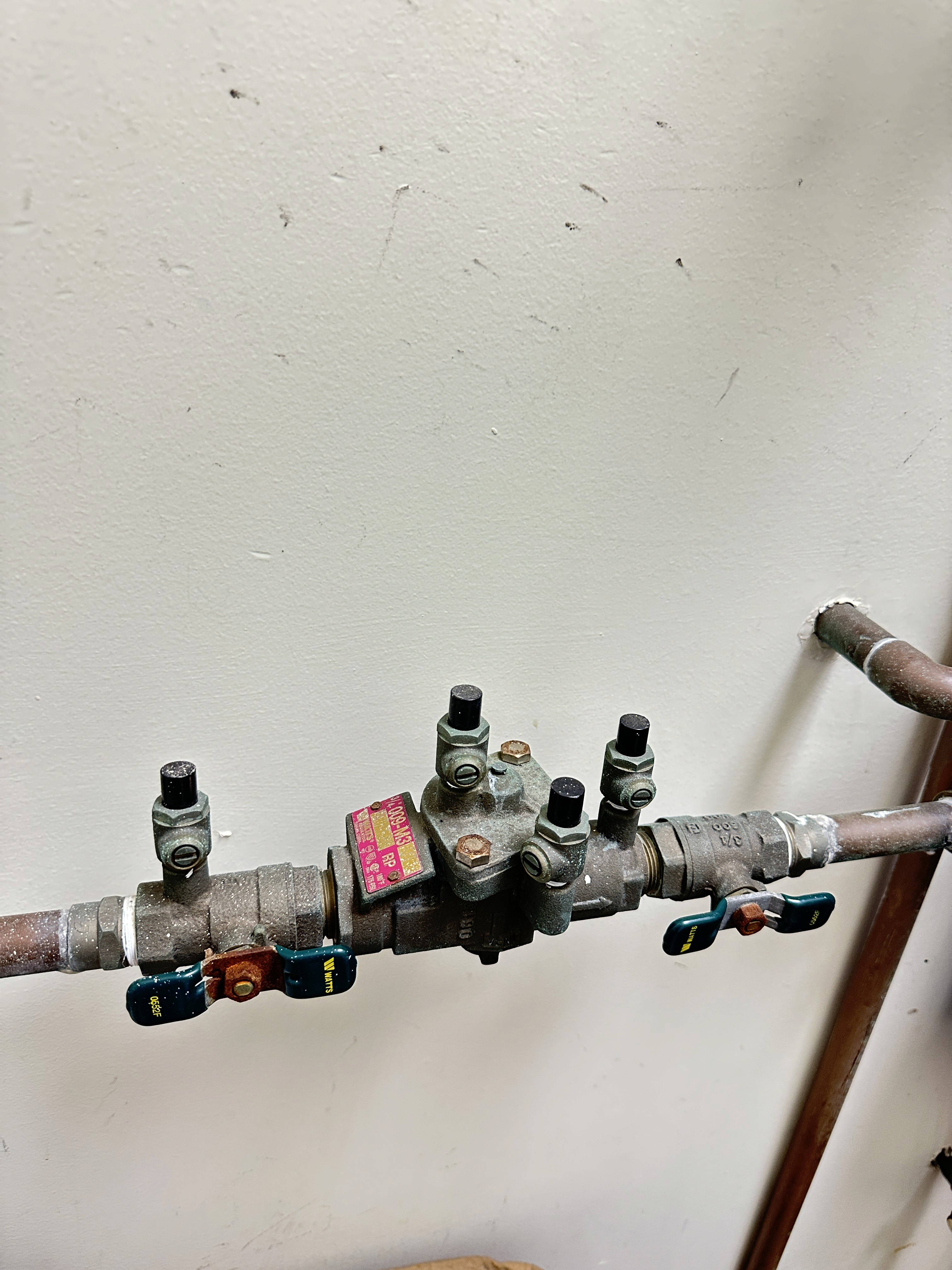
Waterloo Backflow Prevention: Complete 2025 Guide for Homeowners & Businesses
This comprehensive guide explains everything about Waterloo Backflow Prevention, including by-law requirements, who must comply, approved devices, inspection steps, costs, and how Goodwill Mechanical provides certified backflow testing and reporting in Waterloo, Ontario.
Clean water is essential for every Waterloo resident and business. But without proper safeguards, contaminants can flow backward into the municipal water system — risking community health and damaging the city’s infrastructure. That’s why the City of Waterloo enforces strict Waterloo Backflow Prevention regulations to protect its drinking-water supply.
Goodwill Mechanical is fully certified to perform backflow inspections, device installations, annual testing, and municipal compliance reporting. Whether you're a homeowner, business owner, or property manager, this guide explains everything you need to stay compliant.
What Is Backflow? Understanding the Risk in Waterloo
Backflow is the reversal of water flow within a plumbing system. Instead of moving safely into your building, contaminated water can flow backward into municipal drinking-water lines.
Two Common Causes of Backflow
Backpressure
Happens when internal pressure exceeds the city’s supply pressure. This often occurs in boilers, pumps, or elevated plumbing systems.Backsiphonage
Occurs when city water pressure drops and creates suction — often during watermain breaks, hydrant usage, or pipeline repairs.
Backflow incidents can introduce chemicals, fertilizers, bacteria, industrial fluids, or waste into the clean water supply. The only reliable solution is installing approved backflow prevention devices and having them inspected annually.
Waterloo’s Water Supply & Why Backflow Prevention Matters
Waterloo is known for its high-quality groundwater-source drinking water. Maintaining this standard requires strict cross-connection control throughout residential, commercial, and industrial plumbing systems.
Backflow prevention protects against:
Contaminated water entering the city’s system
High-cost remediation events
Community-wide boil-water advisories
Liability issues for property owners
Health risks such as bacteria or chemical exposure
To avoid these hazards, the City of Waterloo requires many properties to participate in its Backflow Prevention Program.
Waterloo Backflow Prevention By-law Overview
The City of Waterloo enforces backflow regulations through its official by-law.
🔗 Backflow Prevention By-law:
https://www.waterloo.ca/en/living/backflow-prevention-bylaw.aspx
Key By-law Requirements
✔ Approved backflow devices must be installed where required
✔ Annual testing by certified professionals is mandatory
✔ Cross-connection surveys may be required
✔ Testing reports must be submitted to the city
✔ Non-compliance can result in penalties or water shutoff
Waterloo takes water safety seriously — and property owners must follow the by-law to remain compliant.
Waterloo’s Backflow Prevention Program
The city also maintains a dedicated educational and compliance program to help residents and businesses understand their obligations.
🔗 Program Website:
https://www.waterloo.ca/en/living/backflow-prevention.aspx
Program Objectives
Protect the drinking water from contamination
Identify high- and moderate-risk properties
Maintain a database of all backflow prevention devices
Ensure annual testing and device maintenance
If your property receives a notice from the city, compliance is mandatory — and Goodwill Mechanical can help every step of the way.
Properties Required to Comply with Waterloo Backflow Regulations
The City of Waterloo determines compliance based on hazard level and type of property. Most moderate-risk and all high-risk buildings must install and test backflow devices annually.
Residential Requirements
Some residential properties must comply, including:
Homes with irrigation systems
Properties with swimming pools or hot tubs
Large single-family homes with auxiliary systems
Multi-unit residential properties
Houses with boilers connected to potable water
Commercial Requirements
These buildings almost always require backflow devices:
Restaurants
Medical or dental offices
Daycares and schools
Hair and nail salons
Car washes
Grocery stores
Laundromats
Office buildings
Industrial Requirements
Industrial facilities fall under the highest hazard category:
Factories
Food production facilities
Pharmaceutical manufacturing
Chemical processing plants
Warehousing operations with chemical storage
For these facilities, Waterloo Backflow Prevention isn't optional — it's legally required.
Approved Backflow Prevention Devices in Waterloo
Waterloo accepts only specific device types based on hazard level.
Device Comparison Table
Device Type | Hazard Level | Typical Application |
RP (Reduced Pressure Zone Device) | Severe hazard | Industrial, labs, chemical use, hospitals |
DCVA (Double Check Valve Assembly) | Moderate hazard | Commercial buildings, schools, retail |
PVB (Pressure Vacuum Breaker) | Moderate hazard | Irrigation systems |
SVB (Spill-Resistant Vacuum Breaker) | Moderate hazard | Fire systems, small irrigation setups |
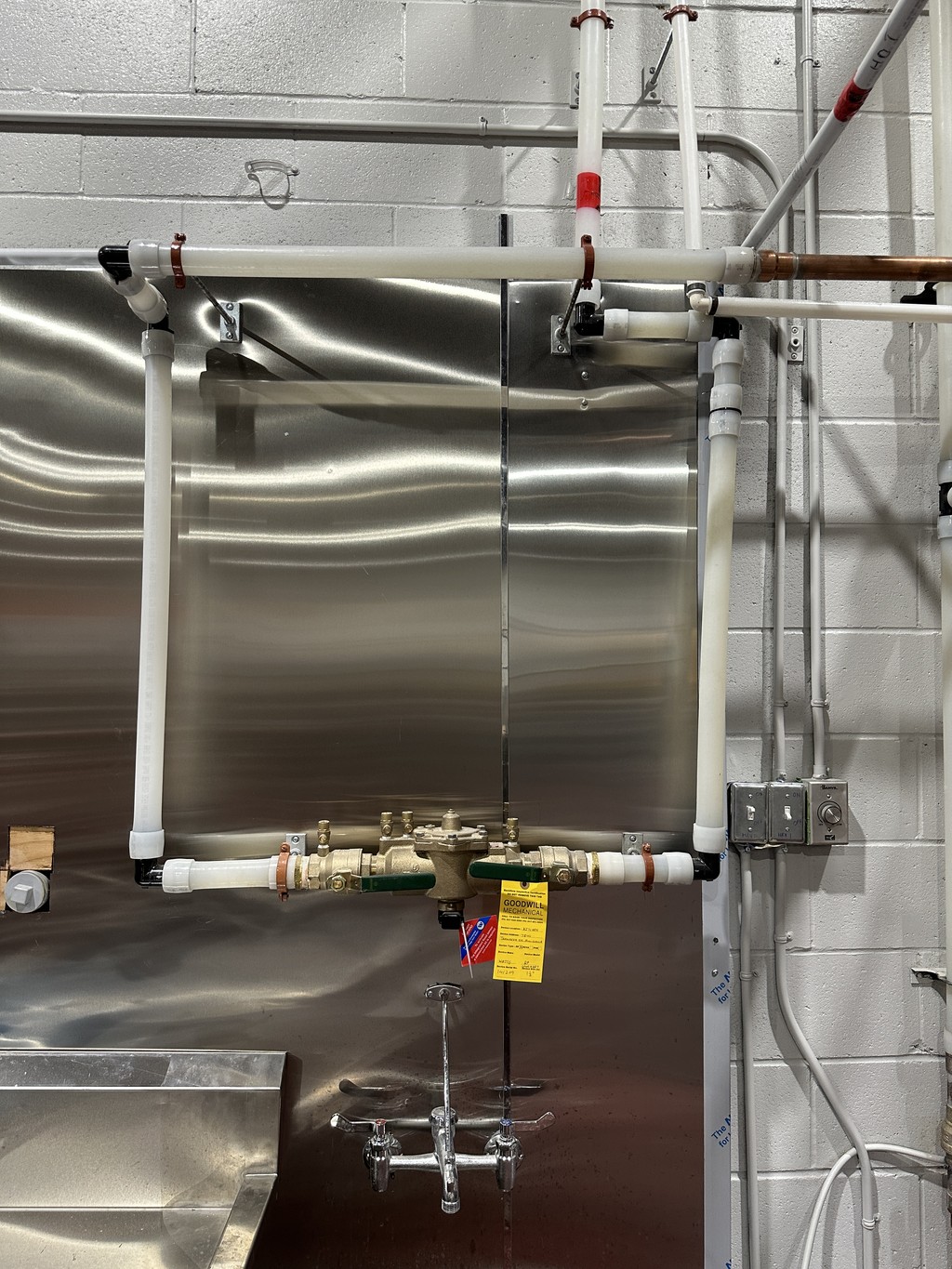
Goodwill Mechanical installs, tests, and repairs all approved device types according to Waterloo regulations.
Goodwill Mechanical’s Certified Backflow Services in Waterloo
Goodwill Mechanical offers full-service solutions for Waterloo Backflow Prevention, including:
✔ Annual Backflow Testing
Performed with calibrated equipment by certified technicians.
✔ Cross-Connection Control Surveys
Determines hazard level and device requirements.
✔ Backflow Device Installation
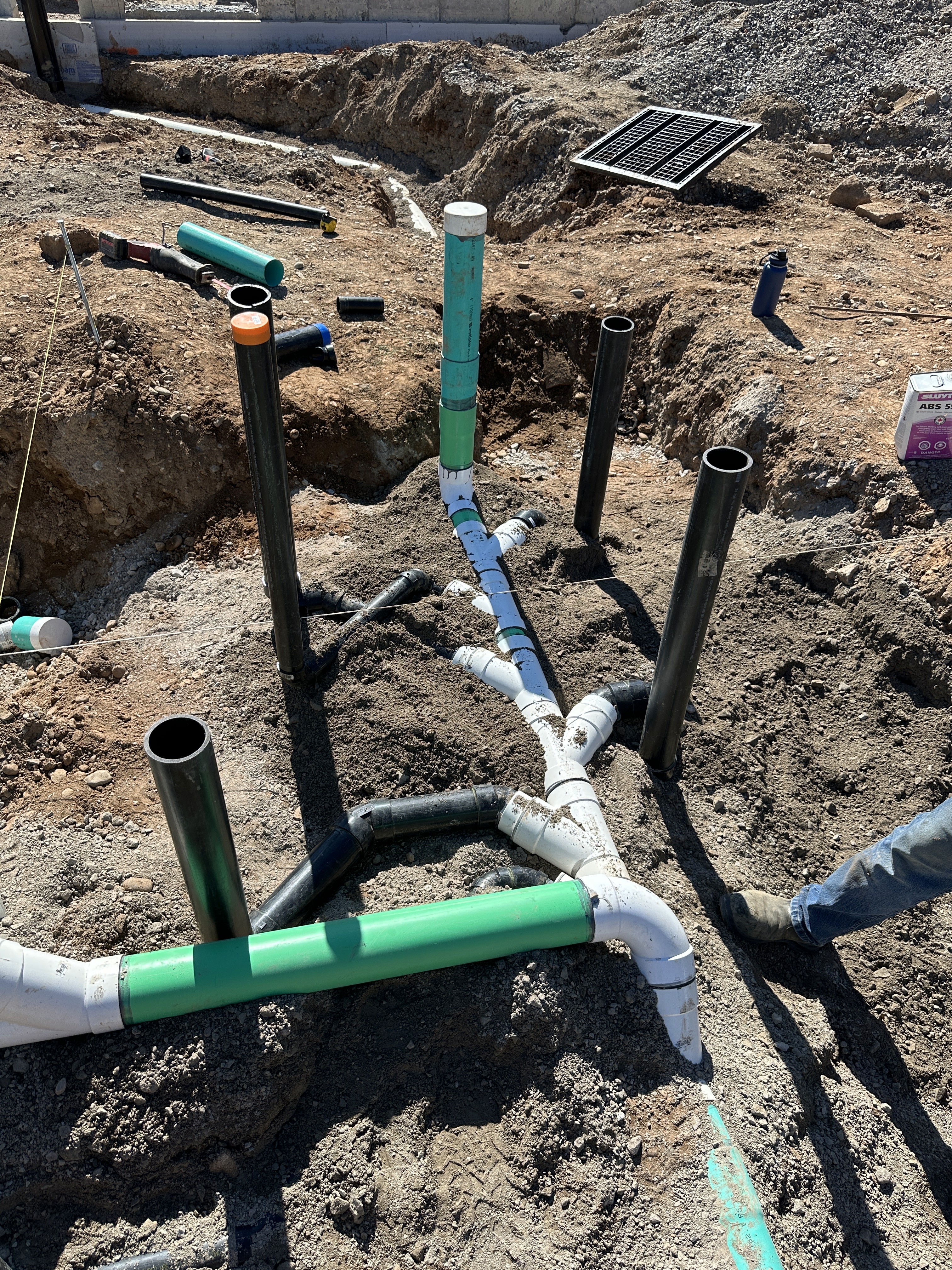
RP, DCVA, PVB, and SVB devices installed according to by-law specifications.
✔ Emergency Repairs & Maintenance
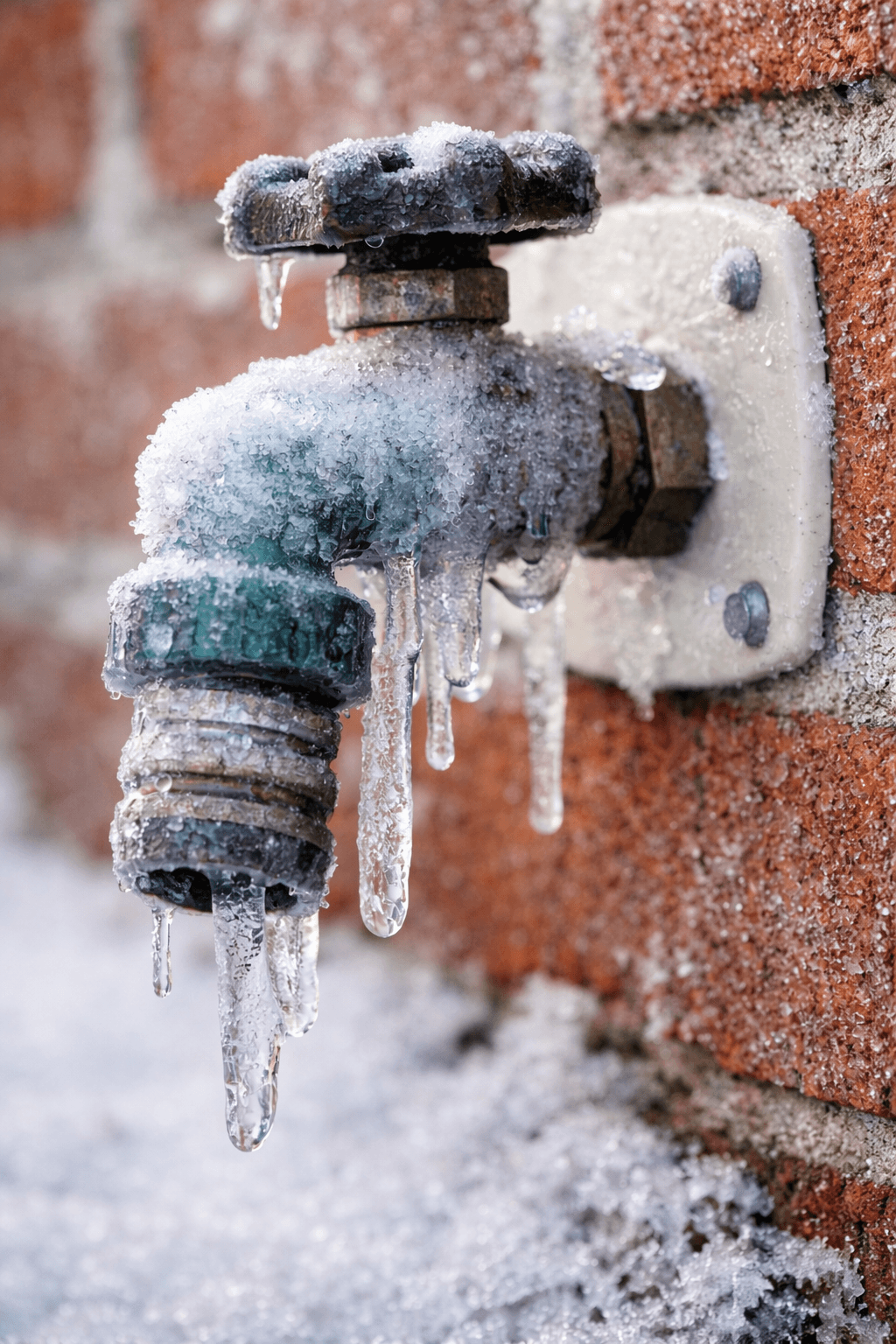
Fast repairs for leaks, frozen valves, and failed components.
✔ Report Submission to the City of Waterloo
We submit all testing documentation directly so you remain compliant.
Goodwill Mechanical handles the entire process — making compliance simple and stress-free.
Step-by-Step Waterloo Backflow Inspection Process
1. Scheduling & Review
We review your property type, hazard classification, and existing devices.
2. On-Site Inspection & Testing
Our certified technicians check:
Pressure levels
Valve operation
Check valve performance
Relief valve function
Device integrity
3. Repairs or Replacements
If a device fails testing, we repair or replace it immediately.
4. Submission of Annual Test Reports
We file all paperwork directly with the City of Waterloo.
5. Annual Reminder Service
Goodwill Mechanical ensures you never miss a compliance deadline.
Waterloo Backflow Testing Costs
Service | Typical Cost (CAD) |
Annual Backflow Test | $150–$400 |
Cross-Connection Control Survey | $250–$600 |
Device Installation | $500–$2,500 |
Repairs | Based on parts & labour |
Prices vary based on system complexity and device type.
Common Backflow Violations in Waterloo
Many property owners receive notices because of:
Missing or overdue annual test reports
Improperly installed devices
Using non-certified testers
Devices located in inaccessible areas
Damaged or frozen valves
Installing non-approved devices
Goodwill Mechanical ensures you avoid these issues entirely.
Why Goodwill Mechanical Is the Best Choice for Waterloo Backflow Prevention
✔ Certified backflow testers
✔ Years of experience navigating Waterloo’s regulations
✔ Fast, reliable service
✔ Clear documentation and reporting
✔ Emergency repairs available
✔ Competitive pricing
Goodwill Mechanical ensures your system stays safe, compliant, and reliable year after year.
Frequently Asked Questions
1. Is backflow testing mandatory in Waterloo?
Yes. Most commercial, industrial, and some residential properties must complete annual testing.
2. Do I need a certified tester?
Absolutely — Waterloo requires licensed professionals like Goodwill Mechanical.
3. Which device does my property need?
It depends on your hazard classification. A cross-connection control survey determines the correct device.
4. What happens if I don’t comply?
You may face fines, water service interruptions, or enforcement actions by the city.
5. How long does the test take?
Most inspections take 45–60 minutes per device.
6. How often must I test the device?
Annually — this is mandatory for compliance.
Conclusion
Waterloo Backflow Prevention protects the city’s drinking water and ensures public safety. Whether you’re a homeowner, business owner, or industrial operator, Goodwill Mechanical provides certified testing, installation, and reporting services that help you stay fully compliant with Waterloo’s Backflow Prevention By-law.
With expert technicians, quick turnaround times, and reliable documentation handling, Goodwill Mechanical is your trusted partner for backflow prevention in Waterloo.